UF Health North Phase III
Overview
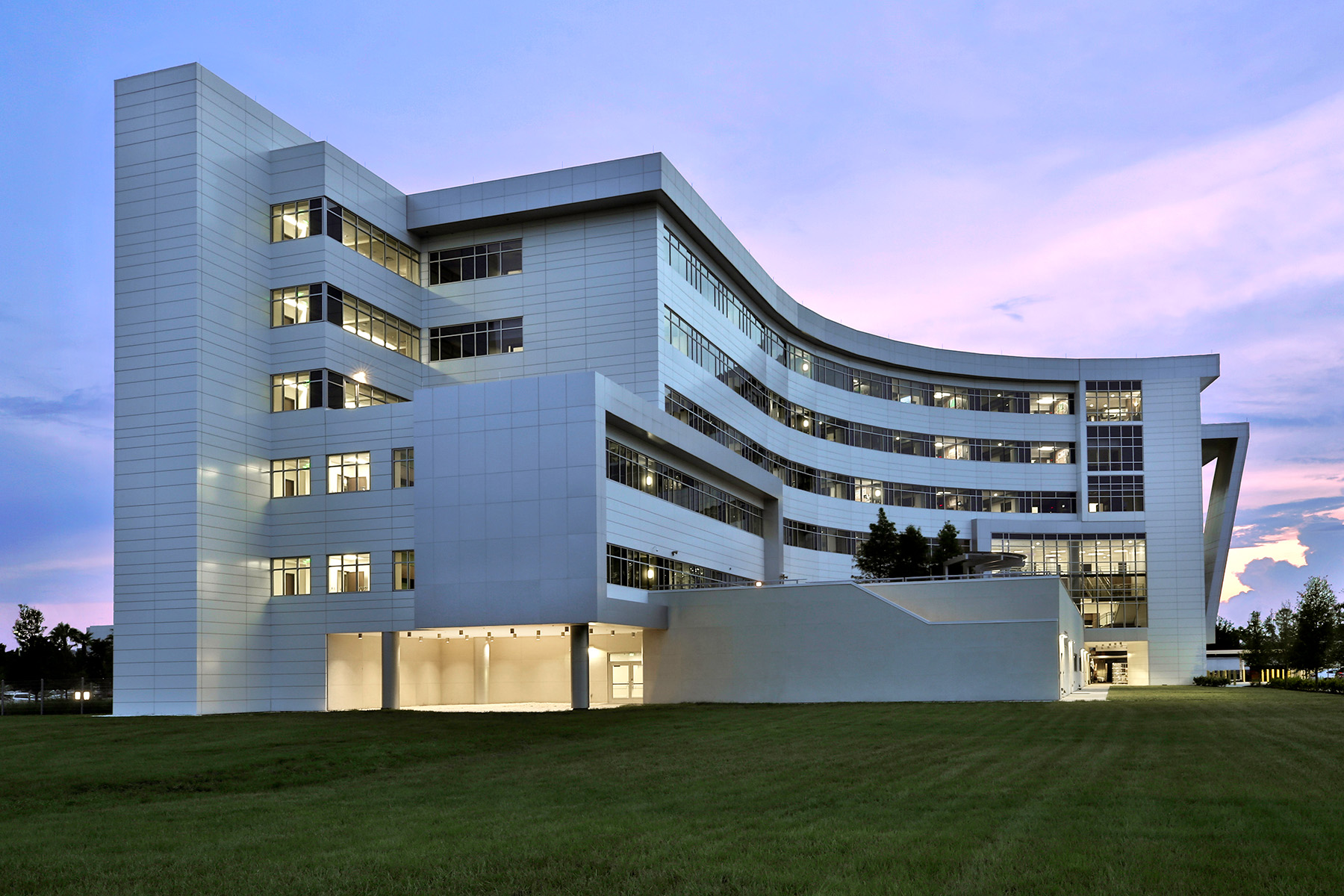
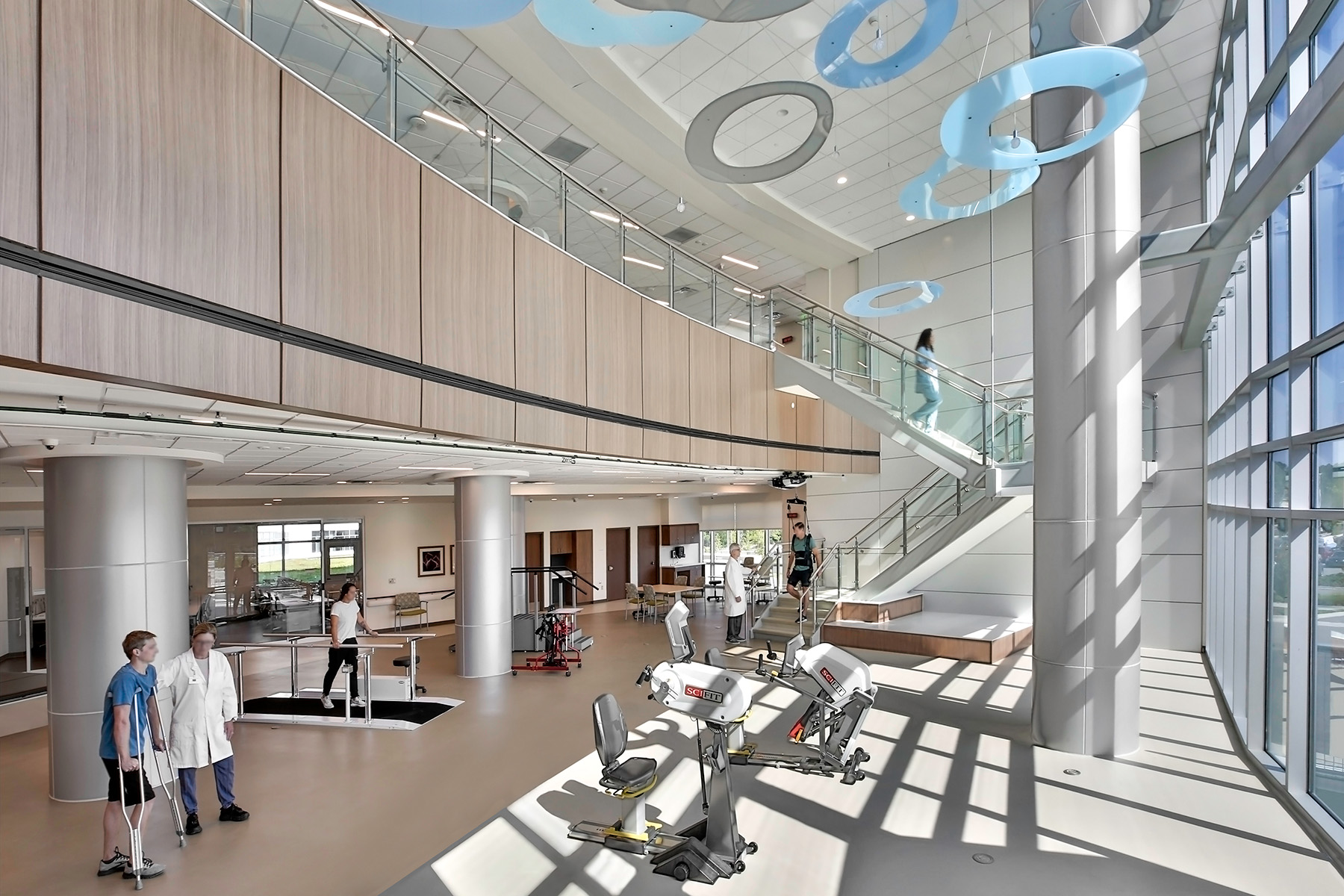
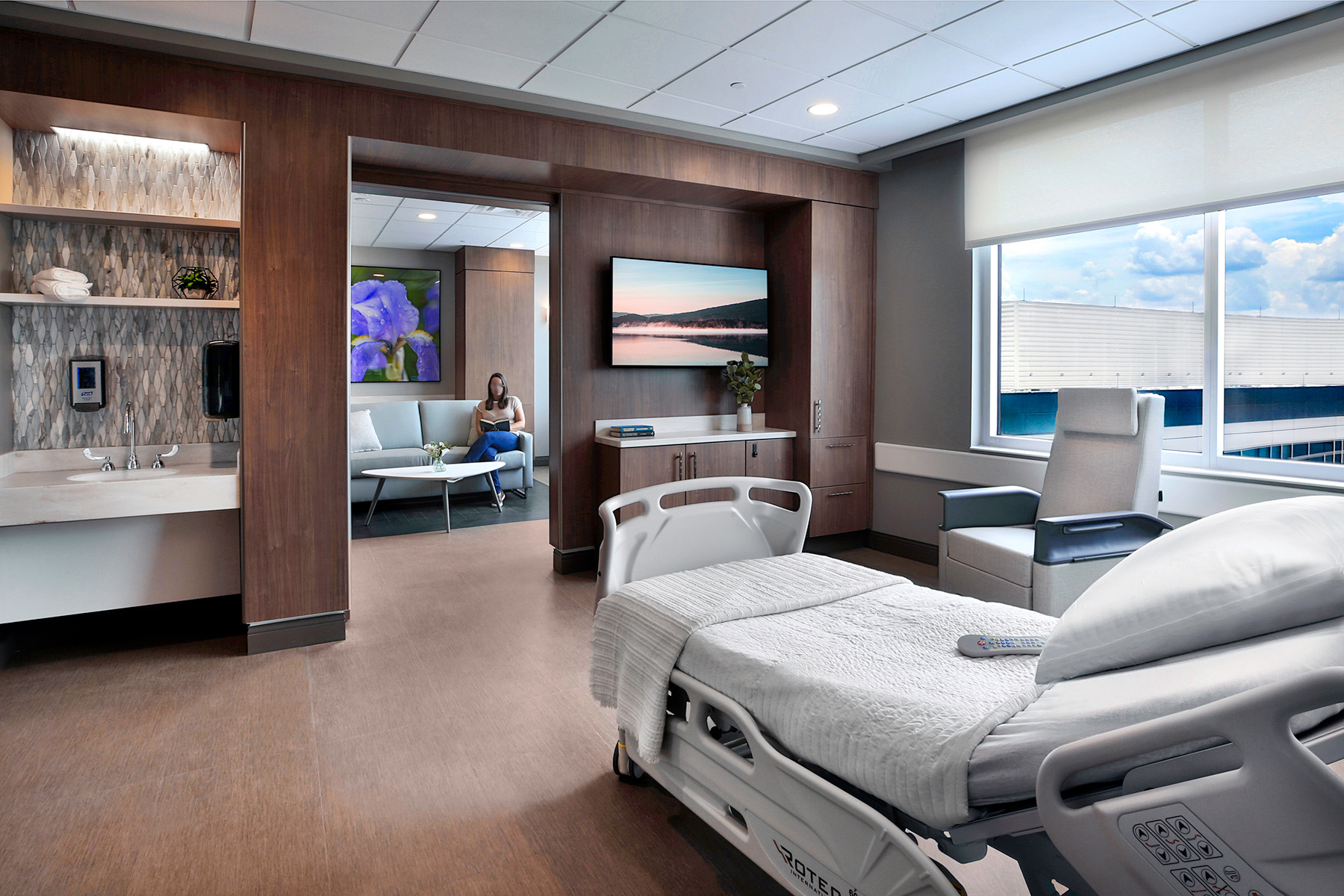
Subsequent to completing UF Health’s outpatient medical complex, the first phase of UF Health’s campus development, TLC was selected to engineer its second phase consisting of a new 160,000 square foot inpatient hospital. The five-story hospital features 92 all-private rooms and has a convenient walkway linking it to the outpatient medical complex. The final buildout is planned to have 350 beds. The upper four floors consist of a 20-bed unit dedicated to labor and delivery and other women’s services, a 24-bed floor dedicated to intensive care and two 24-bed floors dedicated to general medical inpatients. The ground floor is mainly used for administrative services and has a chapel, cafeteria, and courtyard. The hospital has a new respiratory therapy suite with special HVAC systems that maintain negative air pressure required for bronchoscopy procedures.
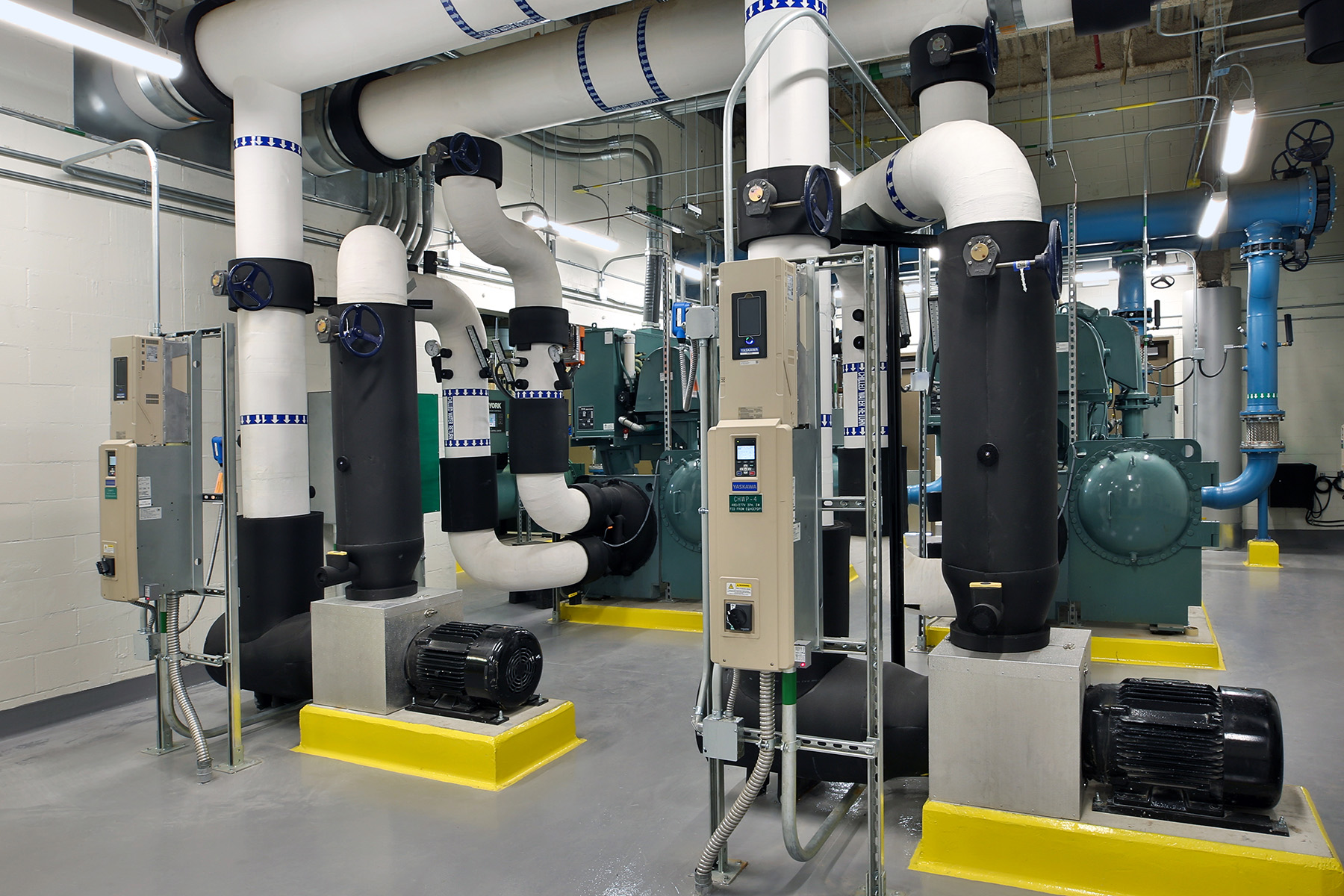
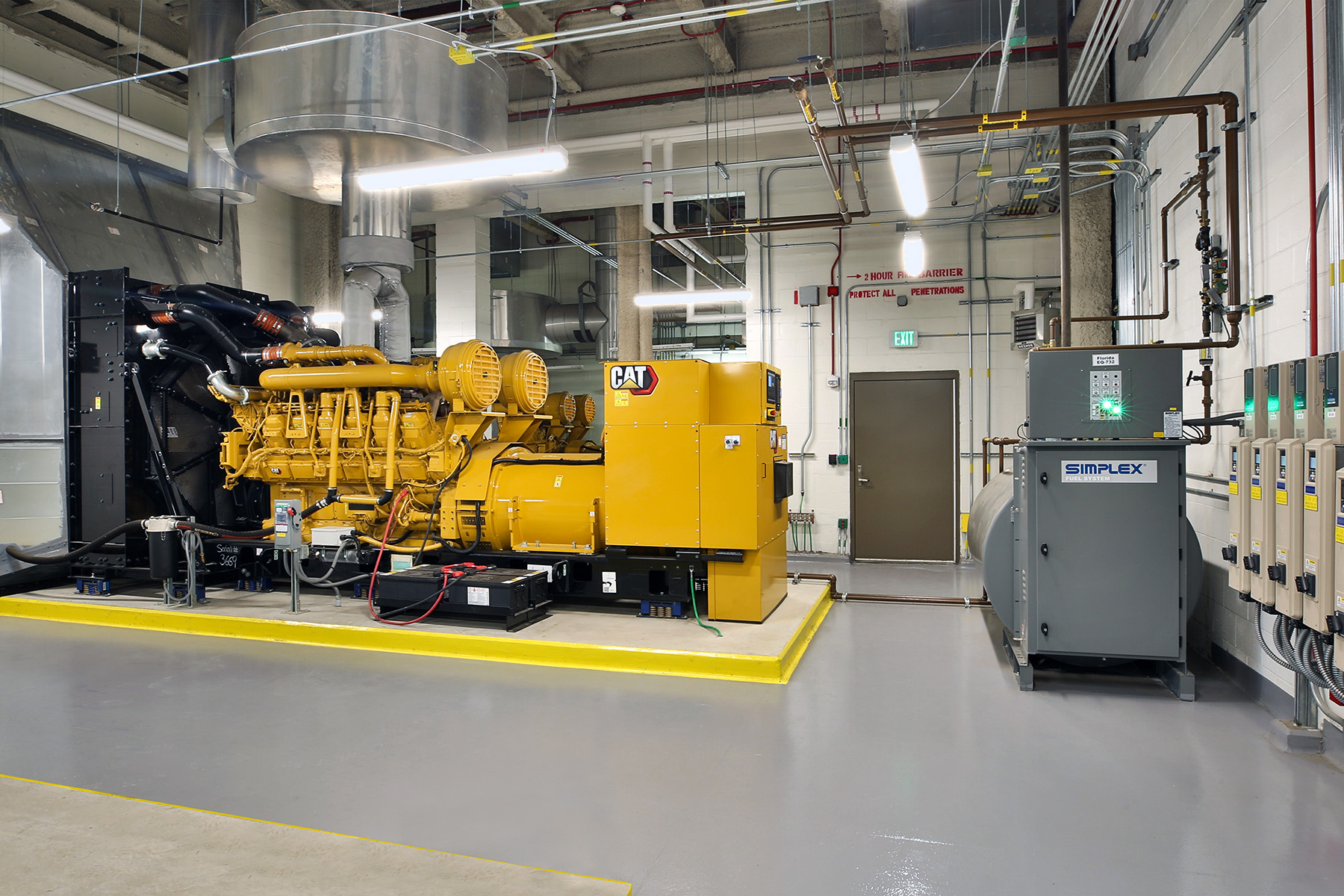
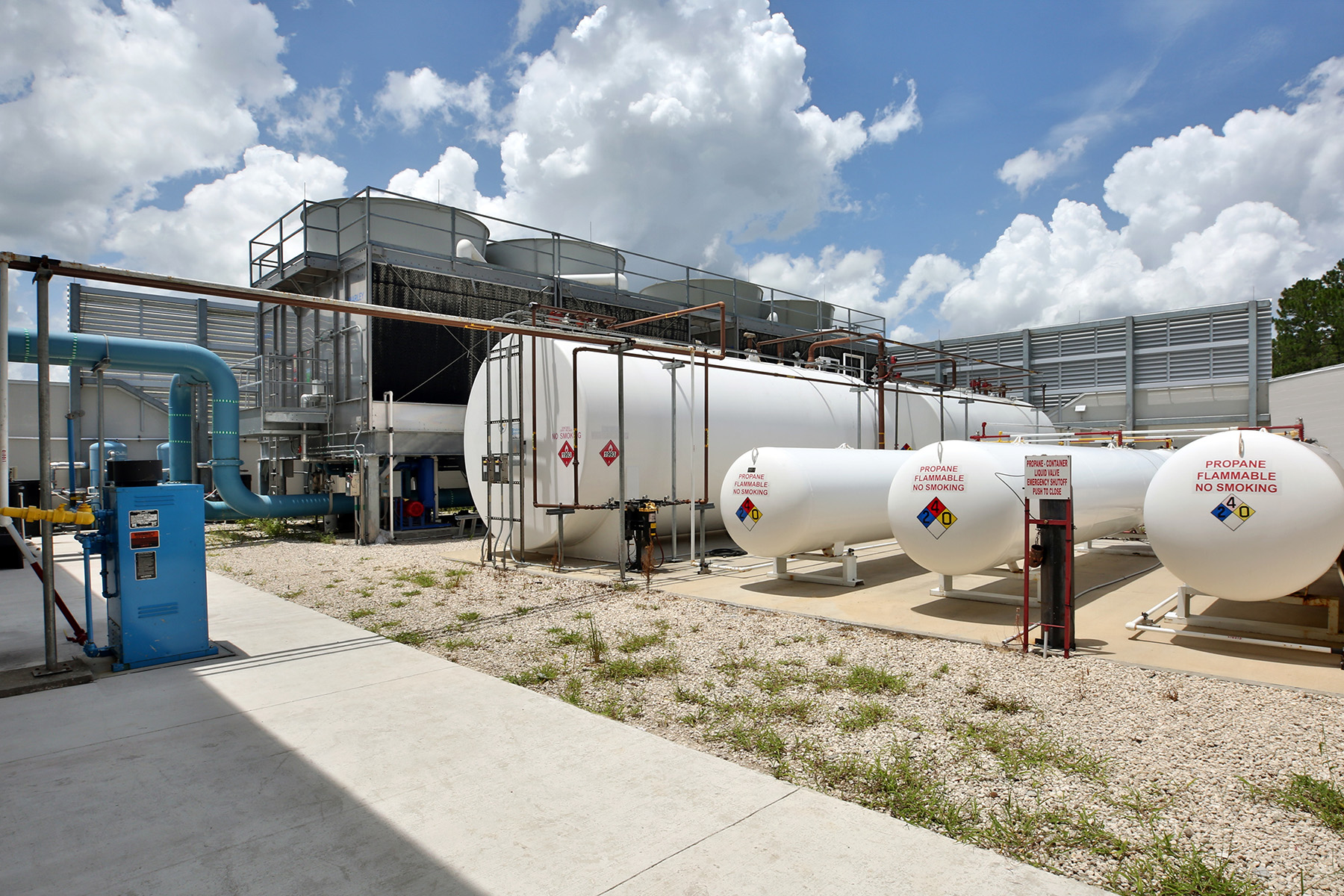
TLC designed a new two-story, freestanding central energy plant to serve the hospital and to support future expansion plans. The plant houses two 440-ton cooling towers, 440-ton centrifugal chillers, four 3000 MBH condensing hot water boilers, an emergency generator, as well as pumps and medical air compressors.
The team established a collaborative project approach to meet UF Health’s energy efficiency performance goals for the hospital. UF Health has aggressive energy goals, including an energy use intensity of 155 kBTU/sf/yr, approximately 18% below the code requirement. In fact, the project exceeded this goal and achieved an energy reduction of approximately 146 kBTU/sf yr.
Features
The hospital’s sustainable design resulted in an ENERGYSTAR Design Score of 82, meaning the hospital’s energy performance is better than 82% of similar facilities. Sustainable design measures developed by the team to keep the project achieved LEED for Healthcare v2009 Silver Certification include: high-performance glazing system, high efficiency chilled water system, low lighting power density, occupancy and daylighting controls, green roof, LED lighting and photo sensors, electric vehicle charging stations, and demand control ventilation.