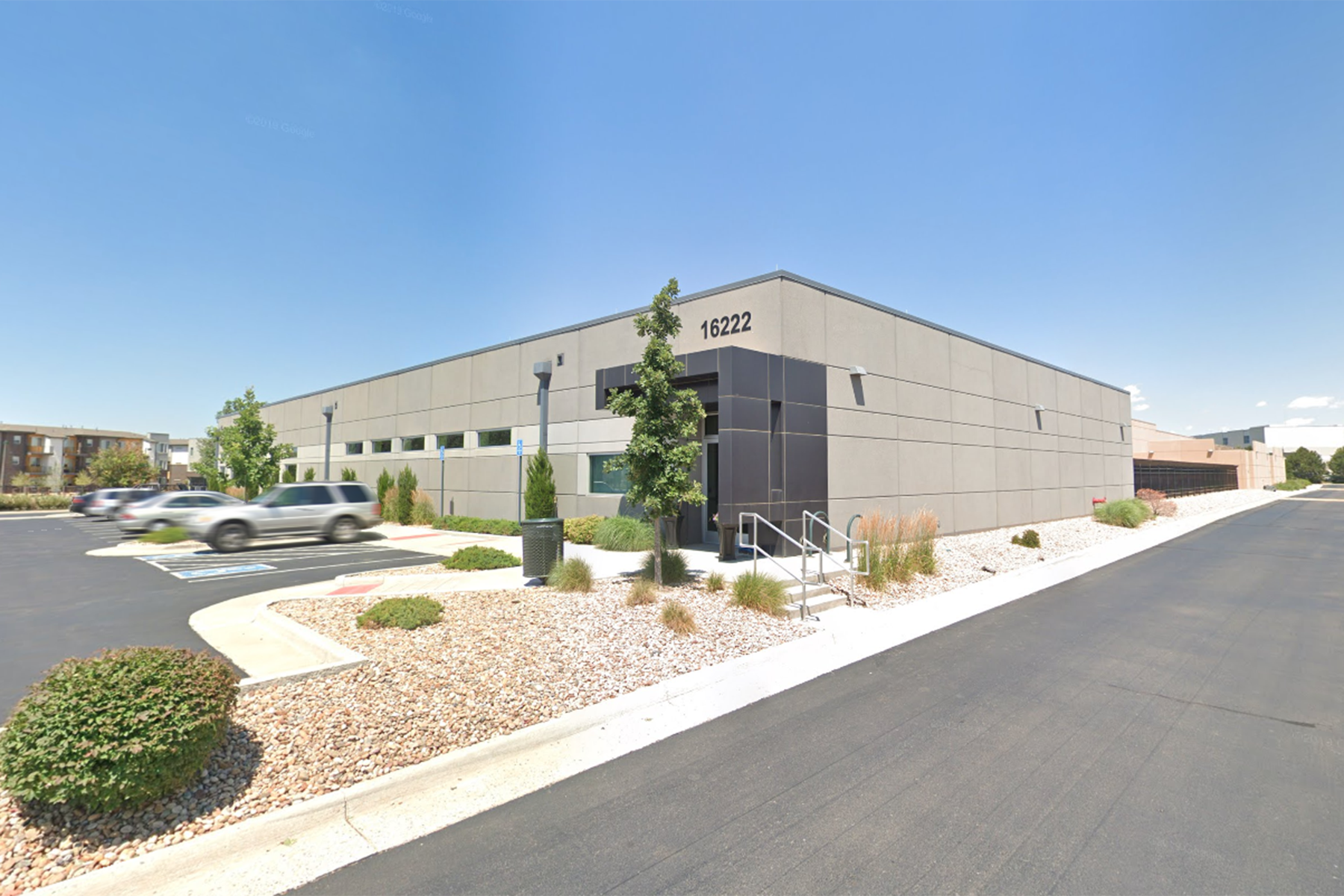
Raymond James Data Center
Overview
Significant weather events are a major concern for companies with mission-critical facilities. Recently, a major corporation decided to mitigate risk and reduce energy use by relocating its primary data center from the Southeast U.S. to a mountain region with a more temperate climate, providing opportunities for energy reduction through intelligent HVAC design that capitalizes on local weather patterns. The design provides a facility with a Power Usage Effectiveness (PUE) of 1.077. An indirect air-side economizer (IASE) using a direct evaporative media section and a fixed-plate energy exchanger is a crucial element in this success. This system is coupled with a lower-air-volume dedicated filtration and outside air system for data hall air quality and pressurization, resulting in a 27% reduction over ASHRAE 90.1-2007 and a 29% cost savings as applied to the overall Energy & Atmosphere LEED credit.
The data halls have a 2N electrical service, which is achieved with two 2 MW standby generators and two 625 kVA uninterruptible power supplies, expandable to 1.1 MW for future expansion. The services are two 3000-amp, 480-volt draw-out switchgear line UPS systems with transfer pairs connecting the generator and utility services.
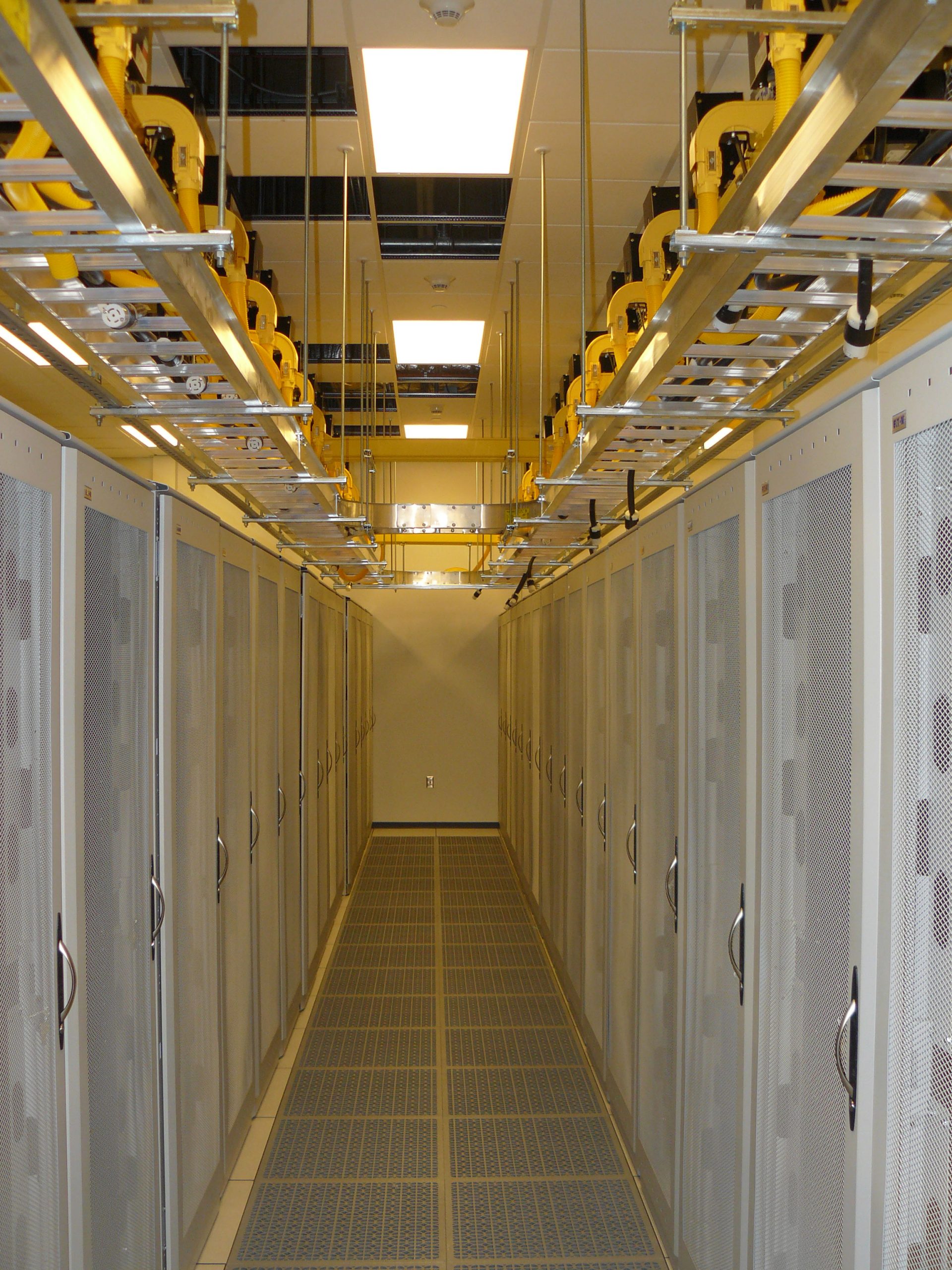
TLC staff integrated with the client’s data center and infrastructure staff to assure intelligent packaging of the data hall systems. This integrated team produced two independent bid packages for the racks, containment system, and power distribution units, separate from the structured cabling package, allowing the client to solicit manufacturers for the best value while still maintaining the desired level of quality. TLC also conducted extensive Computational Fluid Dynamics modeling of the data halls to achieve optimal configurations for rack layouts in relation to airflow and rack kW ratings.
