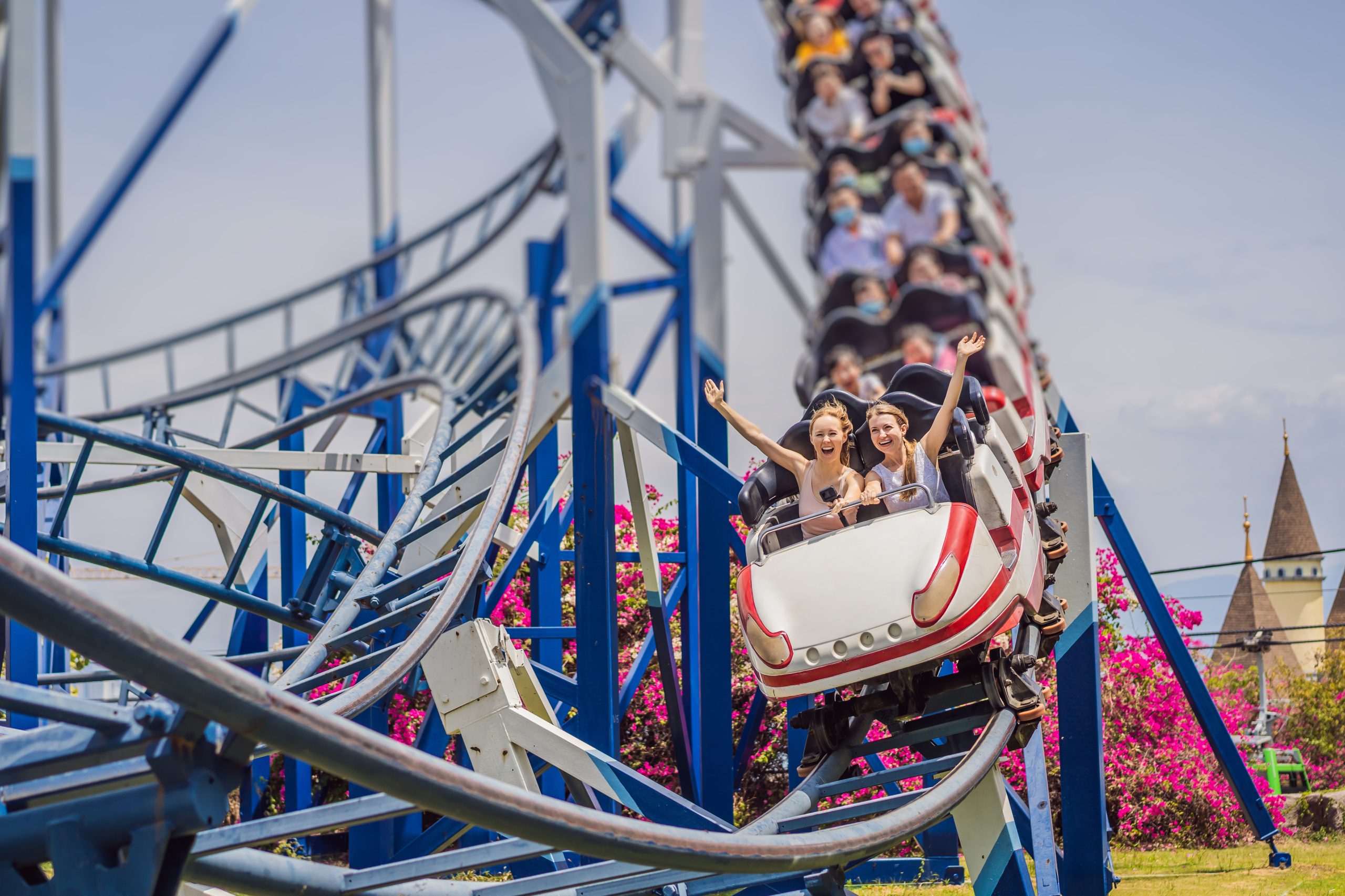
Inside the engineering decisions, coordination, and technical systems behind themed entertainment design
A themed environment succeeds when building systems, show systems, structure, life safety, and operations function as one coordinated environment. TLC’s themed entertainment team protects the guest experience by resolving those technical demands behind the scenes, where performance is measured through reliable operation, safe movement, environmental control, and precise show timing.
When guests enter a themed space, they encounter a carefully controlled sequence of sound, lighting, movement, temperature, special effects, and visual storytelling. Supporting that sequence is a dense network of structural framing, power distribution, controls, data pathways, mechanical systems, plumbing, fire protection, and life safety infrastructure. The challenge extends beyond fitting systems into a building. Our multidisciplinary team coordinates them with ride equipment, show sets, rockwork, themed ceilings, maintenance zones, guest sightlines, and operational requirements. Each system remains compliant, constructible, serviceable, and reliable without compromising the creative intent.
Designing Before All the Answers Are Available
Themed entertainment projects frequently advance while ride, show, and operational requirements and designs are still evolving. Construction teams install underground utilities and embedded pathways before final equipment selections, connection points, and control requirements are complete. After foundations and slabs are poured, revisions become costly and disruptive.
TLC’s themed entertainment team manages this uncertainty through deliberate infrastructure planning. We add spare pathways to conduit banks, reserve distribution capacity in electrical rooms, and establish cable routing zones for ride, audio, video, lighting, security, and controls connections. The objective is not unlimited capacity. It is targeted flexibility based on the project program, known vendor requirements, anticipated loads, and the systems most likely to change.
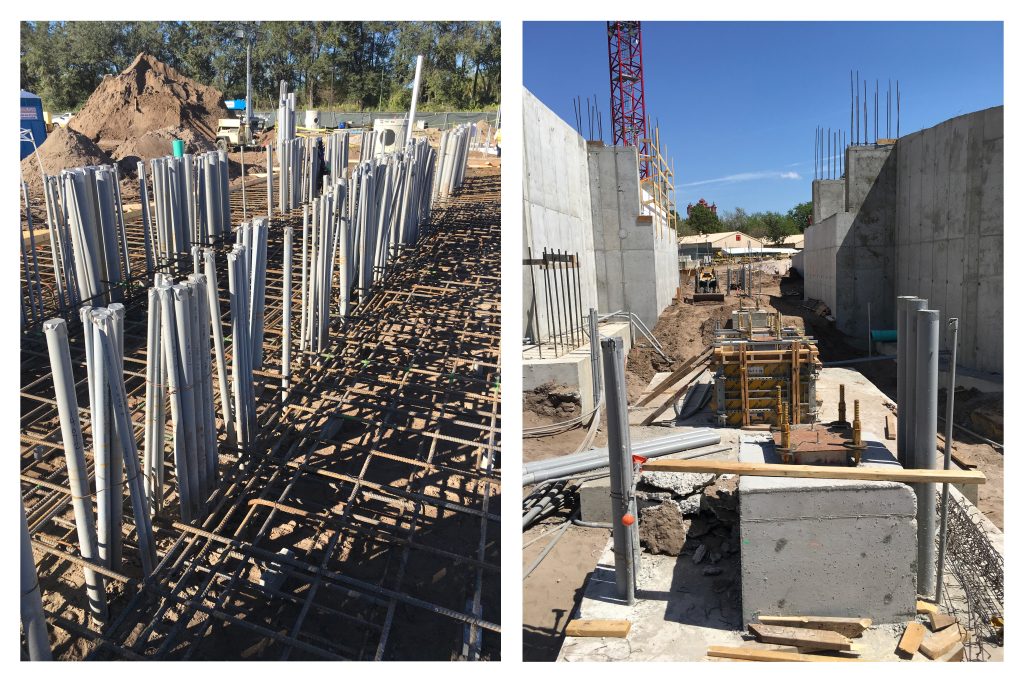
Before concrete placement, our electrical and structural teams review rebar mats, embedded conduit, pipe sleeves, grounding components, spacing, and clearances against coordinated documents. This field verification confirms that pathways emerge at the intended locations without compromising reinforcing requirements or burying conflicts beneath the completed slab.
That early coordination protects more than the construction schedule. It establishes the physical framework needed to accommodate systems that will continue developing through fabrication, programming, testing, and commissioning.
Making the Necessary Disappear
Mechanical and life safety systems typically create some of the largest spatial demands in a themed facility. Supply and return ductwork, smoke exhaust systems, piping, air devices, dampers, sprinkler components, and maintenance clearances must fit within areas already occupied by structural framing and show elements.
TLC’s mechanical, electrical, plumbing, structural, technology, and life safety professionals coordinate routing above themed ceilings, within rockwork, behind show sets, and through structural openings. The team maintains airflow, access, drainage, fire-resistance, and smoke-control requirements while protecting guest sightlines. A prominent grille or piping interrupts the scene. Relocating it without analysis changes air distribution or smoke-control performance. The final placement must satisfy both the calculation and the composition, preserving the continuity of theme.
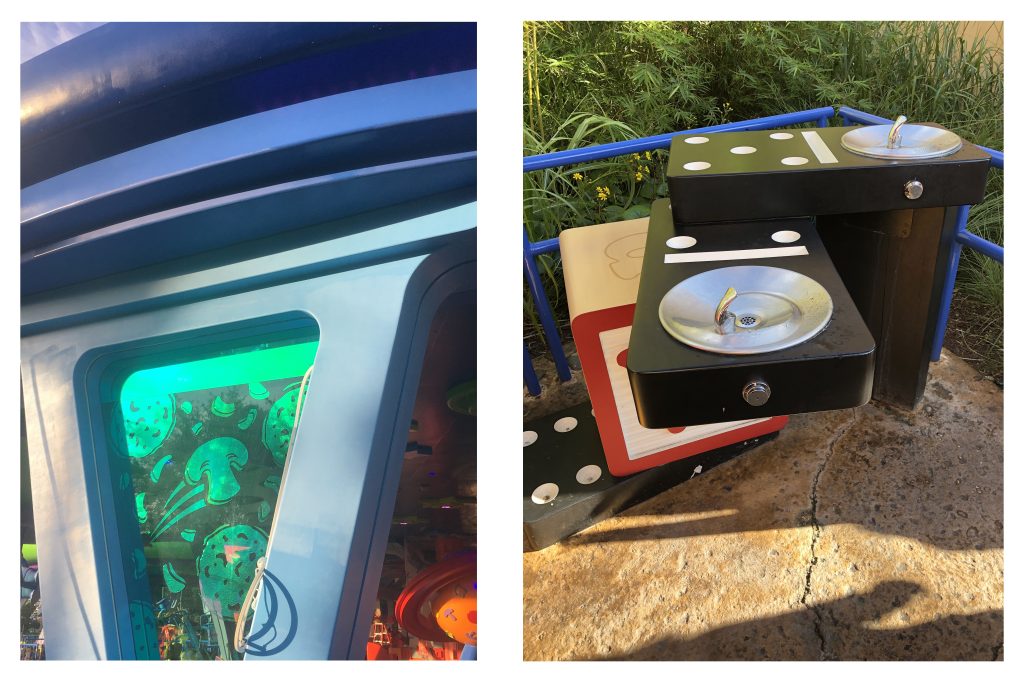
At one Florida theme park, a required air opening associated with a smoke-control system presented a visual conflict within a carefully themed guest area. TLC worked with the project team to integrate the opening into a decorative, game-inspired feature. To guests, the element appeared to be part of the scenery; behind the scenes, it preserved the open area and functional performance required by the life safety system. The same approach applies to downspouts, cleanouts, sprinkler components, access panels, and other operational elements that remain within guest-facing areas.
Our structural team addresses the same tension with bracing, equipment supports, ride foundations, and attachments for large show-set pieces. These elements resist design loads while avoiding conflicts with themed finishes and public circulation. When a required support falls within a visible area, we coordinate with the creative and architectural teams to integrate it into the set rather than treat it as an afterthought.
The Technology Behind the Moment
Show moments depend on more than individual devices. Sensors, controllers, network switches, fiber and copper pathways, wireless coverage, equipment racks, power supplies, and software platforms work together to synchronize audio, video, lighting, special effects, and ride movement.
A position sensor confirms that a vehicle has reached a defined location, and the control system triggers the corresponding scene. Failure of the signal, network connection, controller, or playback device disrupts the timing, even when the vehicle continues moving. TLC’s technology team addresses those risks through coordinated infrastructure, clearly defined interfaces, appropriate redundancy, and thorough testing.
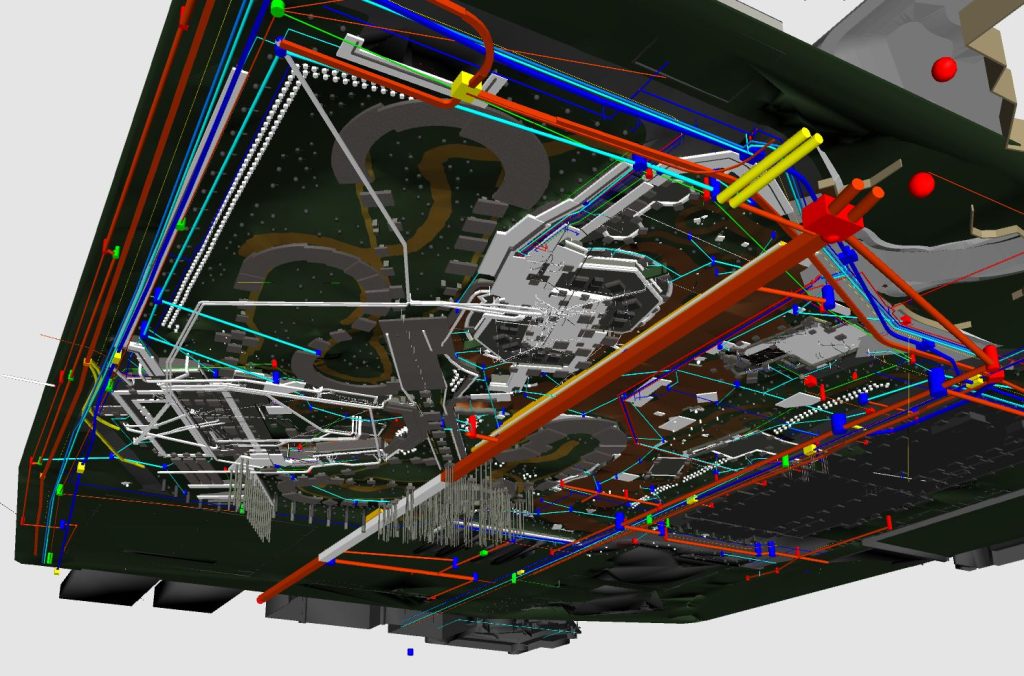
Our technology designers translate creative intent and vendor criteria into coordinated drawings, rack elevations, device schedules, pathway plans, power requirements, cooling loads, and programming narratives for contractor and specialty-vendor execution. These documents define system connections, equipment locations, and responsibility at each interface.
Operations also shape the design. Equipment rooms need adequate cooling, working clearances, cable management, and safe maintenance access. Control interfaces must allow technicians to monitor system status, identify alarms, isolate faults, and restore operation efficiently. A system that performs during opening-day testing but cannot be maintained effectively is not a complete solution.
Engineering the Unexpected
Field conditions frequently require rapid technical decisions, particularly during renovations and attraction upgrades. Opening ceilings, walls, slabs, and equipment areas exposes undocumented utilities, limited structural depth, congested pathways, water intrusion, and equipment that differs from the basis of design.
These discoveries trigger cascading effects. A revised equipment load changes feeder and breaker sizing, panel capacity, heat rejection, room cooling, and physical clearances. Relocating a duct affects structural openings, sprinkler routing, access panels, and themed finishes. Our team evaluates the full system impact rather than solving one conflict in isolation.
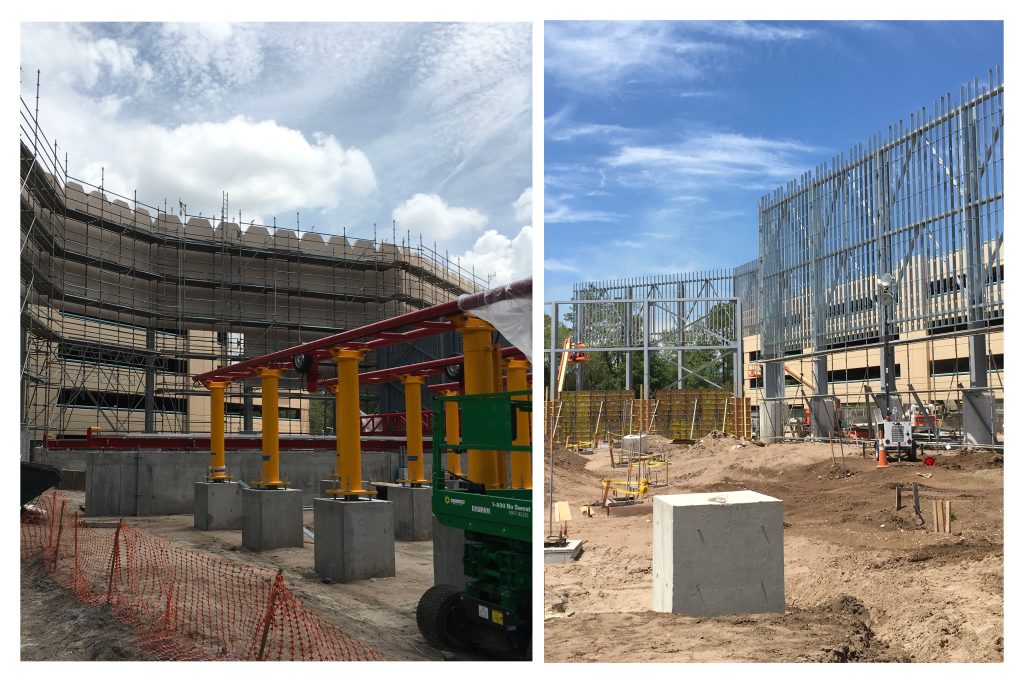
TLC’s project team responds with revised load calculations, alternate routing, equipment relocation, support modifications, construction resequencing, or temporary protection. The selected solution connects power, cooling, controls, technology, structure, life safety, and operations through one coordinated decision process.
Weather introduces another layer of risk. On one project, heavy storms sent water into an equipment area and threatened installed components. Our field team reassessed the condition, identified vulnerable systems, and implemented targeted adjustments to protect the work and preserve progress. The experience reinforced a practical reality: our engineering role continues after document issuance. Field engagement remains essential as conditions and information change.
When Everything Comes Together
Themed entertainment projects bring together ride designers, creative leads, architects, specialty vendors, contractors, commissioning providers, operators, and TLC’s multidisciplinary professionals. Their work intersects at hundreds of physical and digital interfaces. A structural opening serves mechanical distribution. A technology rack requires power, grounding, cooling, and network connectivity. A life safety device remains visible or accessible to the people who need it while disappearing into the scene for everyone else.
Our themed entertainment team connects these requirements through coordinated documents, interdisciplinary reviews, field observation, testing, and commissioning. The completed environment supports safe operation, efficient maintenance, reliable performance, and the creative objectives established for the experience.
Large destinations progress through years of design, construction, installation, programming, testing, and turnover. The finished environment is the visible outcome, but its long-term success depends on decisions made much earlier: pathway capacity confirmed before a slab pour, a smoke-control opening integrated into scenery, cooling provided for a controls room, and a structural support concealed within a show element.
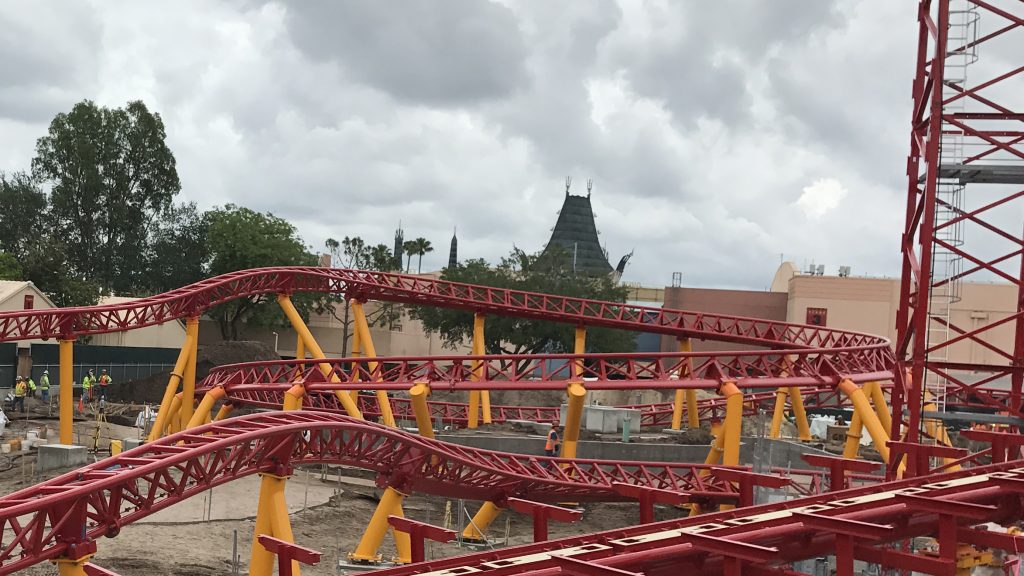
For TLC’s themed entertainment team, creating immersive environments requires more than supporting a creative vision. It requires integrating power, technology, mechanical systems, plumbing, fire protection, life safety, structure, and operations into a coordinated solution that performs reliably long after opening day. To continue the discussion, contact a member of our team.
